In Dialog with Bernd Körber
The »Neue Klasse« marks the beginning of a new era for BMW. It represents the ambition to fundamentally redefine the brand – rethinking production, development, technology, and design, and translating these dimensions into a consistent vision for the future. In this interview, Bernd Körber, Senior Vice President BMW Brand and Product Management, explains why the BMW iX3 marks the starting point, how innovations from the »Neue Klasse« will gradually be rolled out across the portfolio, and what this means for the brand, its customers, and its market positioning.
What does the term »Neue Klasse« mean to you and what dimensions does it encompass?
To me, the »Neue Klasse« means far more than just the next generation of vehicles. It marks the beginning of a new era across every level of our company. From a corporate perspective, we are consciously building on our own history.
Back in the 1960s, the first »Neue Klasse« marked a decisive moment for BMW. Today, we are taking this a step further: the »Neue Klasse« is not just a new chapter; it is an entirely new book.
This also includes profound structural changes, such as the construction of our new plant in Debrecen and the comprehensive transformation of our home plant in Munich.
On a product level, the »Neue Klasse« represents a technological leap. We are bringing together innovations in the areas of electrification, digitalization, ADAS, driving dynamics, and sustainability. New architectures, battery technologies, and a reimagined digital user experience create a holistic vehicle concept with clear differentiation.
At the same time, we are consistently developing the brand and its communications. We are redefining how BMW is experienced – with a new configurator, AI-supported communication, and a refined visual language that expresses the brand in a clearer, more modern, and more emotional way.
In addition, we have developed a broad range of new capabilities in our processes and decision-making that help us act faster and with greater flexibility.
Taken together, the »Neue Klasse« is a holistic approach to transformation: it connects our heritage with our future and translates innovation into a consistent brand experience.
Taken together, the »Neue Klasse« is a holistic approach to transformation: it connects our heritage with our future and translates innovation into a consistent brand experience.
The BMW iX3 is the first vehicle of the »Neue Klasse«. Customer deliveries began in March 2026. What feedback have you received?
Since the first deliveries – and even during the early consultation phases – we have received consistently positive customer feedback. This is also reflected in strong demand: by April, we had already received well over 50,000 orders for the BMW iX3.
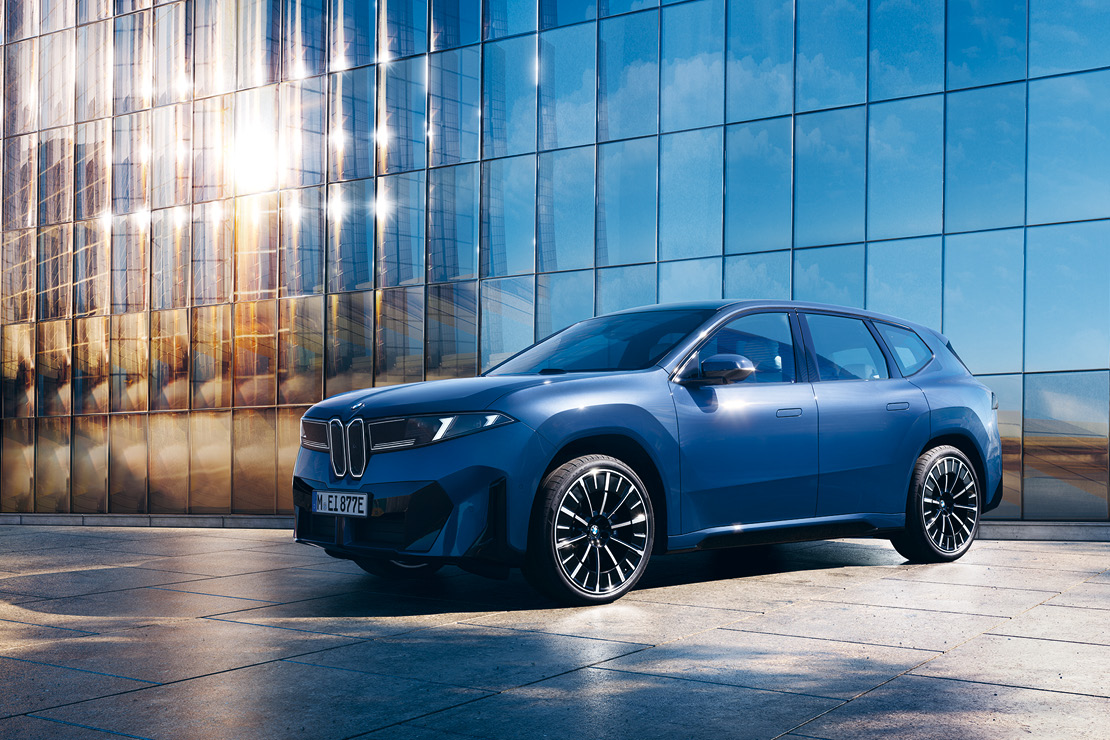
This high level of interest led us to ramp up production capacity at our Debrecen plant earlier than originally planned. Key attributes such as long range, fast charging, and bidirectional charging are resonating strongly with both experienced BEV drivers and customers new to electric mobility. Notably, more than one in three iX3 buyers is new to the BMW brand.
The international media response has also been very positive. Within just a few days, we had already matched previous record levels in terms of reach and positive tonality. This is further supported by prestigious awards the iX3 has already won, including »World Car of the Year« and »World Electric Car of the Year«.
Another important indicator is feedback from our retail network. Our dealers have very high expectations, particularly when it comes to the signature BMW driving experience. Their strong endorsement underlines the overall performance of the vehicle.
Overall, the picture is clear: the BMW iX3 has made a strong impression and has already won over many enthusiastic customers.
What comes after the BMW iX3?
The BMW iX3 is just the beginning. We are now entering the true scaling phase of the »Neue Klasse«. Within 24 months, we will launch around 40 new or updated models – the largest product ramp-up in BMW’s history. As a result, practically our entire portfolio will be renewed, with all vehicles benefiting from the technological and conceptual innovations of the »Neue Klasse«.
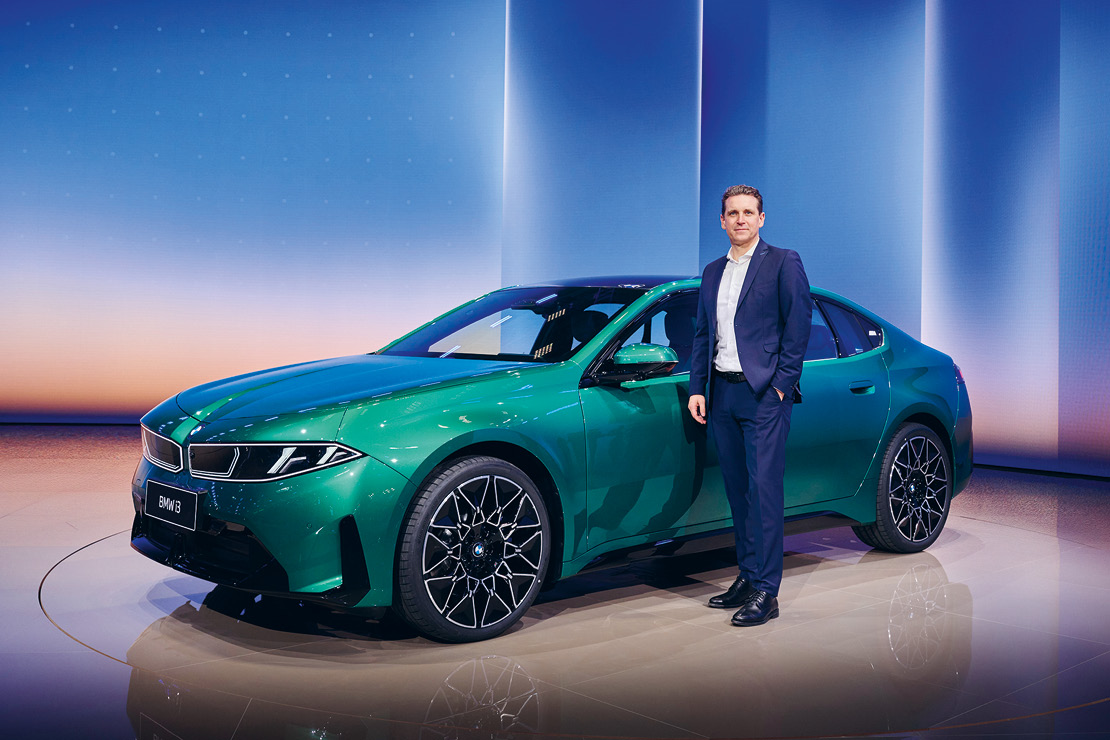
This next phase has already begun with newly announced models. The new BMW i3, for example, builds on the legacy of the 3 Series and will continue to be produced in Munich. In its eighth generation, it remains a sporty, dynamic sedan with the characteristic 2.5-box silhouette, reinterpreted with sharper design, smarter technology, and an even stronger driving experience.
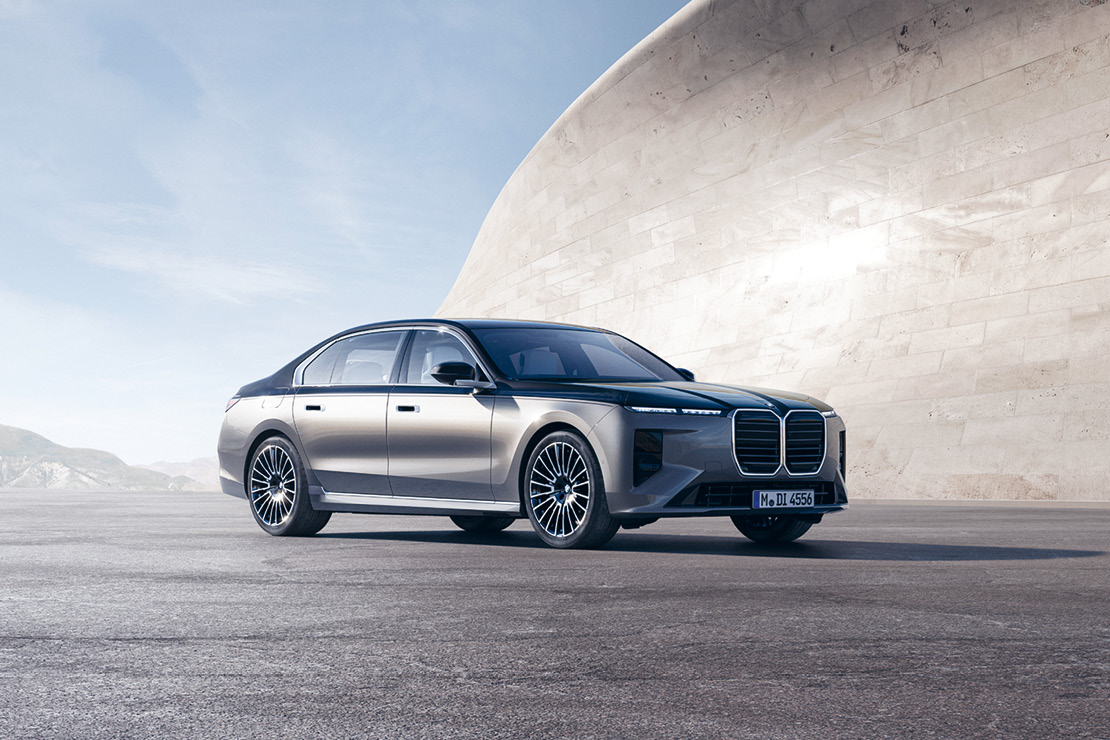
The new BMW 7 Series has been completely redesigned and equipped with technologies from the »Neue Klasse«. Our flagship model retains its presence and exclusivity, both in the exterior and interior, while offering an extensive range of customization options.
The recently announced new BMW X5, in turn, stands for maximum technological versatility. Within one design, it brings together the full spectrum of modern powertrains – from petrol and diesel to plug-in hybrid and BEV. This combination of a clear, unified design language and different drivetrain technologies demonstrates the flexibility of the »Neue Klasse«.
All of this makes clear that the »Neue Klasse« is not an isolated project. Step by step, it is becoming the new foundation of our entire portfolio – and of what BMW will stand for in the future.
In addition to new models, you have introduced BMW ALPINA as a new brand. What does BMW ALPINA stand for, and how does it differ from BMW M?
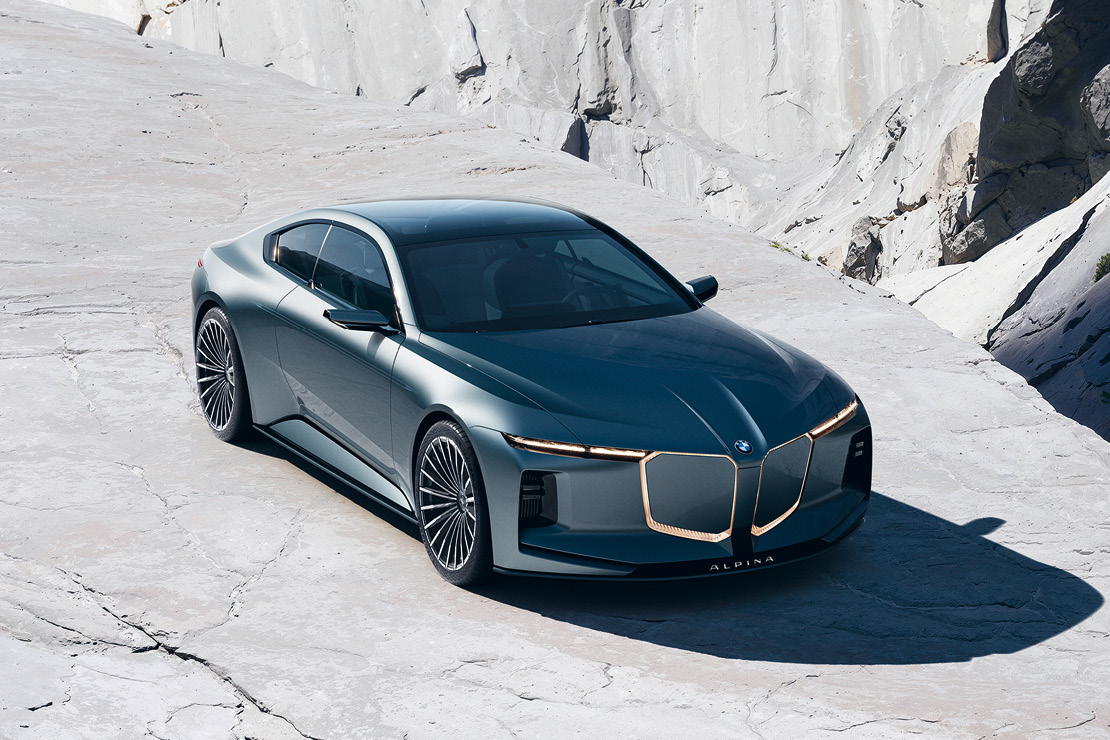
As of January 1, 2026, we repositioned BMW ALPINA as an independent, exclusive brand within the BMW Group. It represents a very distinctive interpretation of performance: the unique balance between effortless power delivery and outstanding ride comfort.
Every ALPINA vehicle is defined by exceptional material quality, craftsmanship, and attention to detail, combined with a wide range of personalization options.
At the same time, we are consciously carrying ALPINA’s strong heritage into the future. Its iconic history is something we consider both a responsibility and an opportunity to develop further.
The new brand expression brings this to life through a sense of clarity, calmness, and confidence, combined with deliberate references to its past.
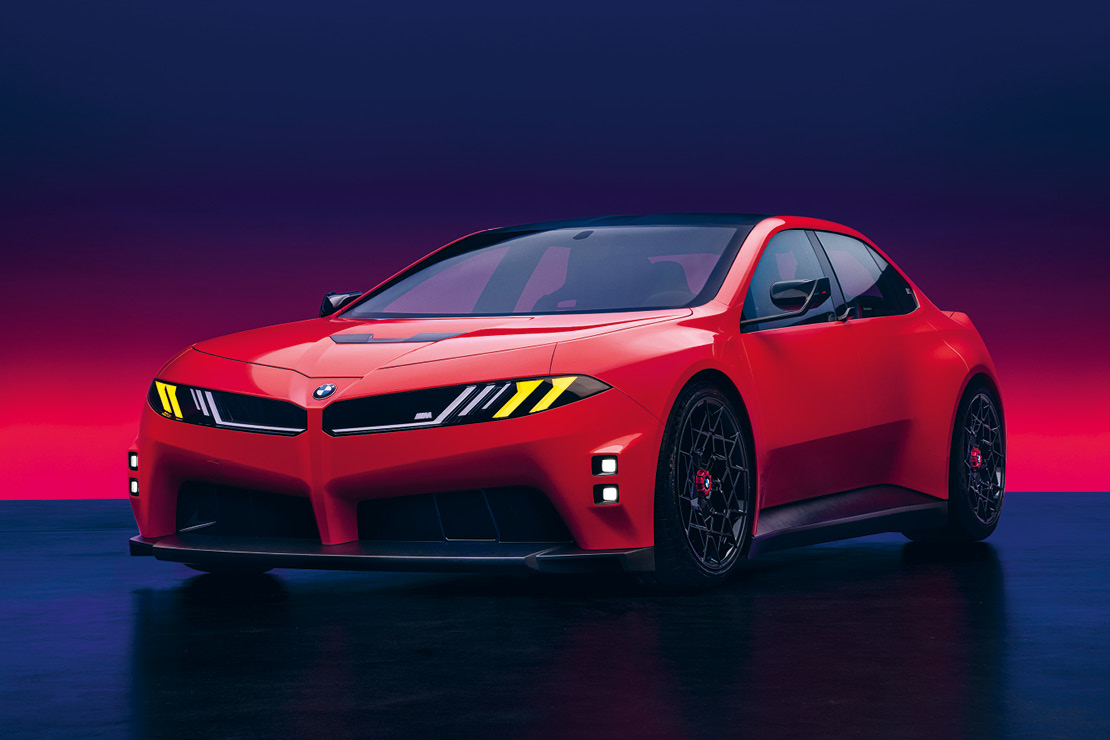
The distinction from BMW M is clearly defined. BMW M follows the philosophy »Born on the racetrack, made for the streets« and stands for »the ultimate performance machine,« with a focus on maximum sportiness, uncompromising performance, and a highly emotional driving experience. While BMW M remains bold and expressive, BMW ALPINA represents a more refined, understated form of modern exclusivity within our portfolio.
In short, we combine a clear strategic direction with a high degree of operational adaptability – making us resilient and capable in a complex environment.
Global political and economic conditions are becoming increasingly complex. How does BMW maintain strategic clarity while remaining globally operational?
In an increasingly fragmented world, strategic clarity and global flexibility are not contradictions – they reinforce each other.
We are pursuing a long-term, technology-open approach across multiple drivetrains: from highly efficient internal combustion engines to plug-in hybrids and our technologically advanced fully electric vehicles – empowering customers with choice. This strategy also enables us to remain flexible in a highly volatile environment.
At the same time, we rely on a strongly regionalized setup: we think globally and act locally. Our global footprint allows us to respond precisely to regulatory requirements, market conditions, and customer needs.
In short, we combine a clear strategic direction with a high degree of operational adaptability – making us resilient and capable in a complex environment.
You mentioned regionalization – how is this implemented in Europe, the US, and China?
We focus on a strong local presence, with our own plants, tech offices, and local product and communications teams in key markets such as Europe, the US, and China.
This proximity enables us to understand trends and customer needs very precisely and at an early stage. On this basis, we develop targeted solutions – from product definition to communication.
In addition, local partnerships are a key success factor. In China, for example, we collaborate with companies such as Momenta to adapt our ADAS technologies to local requirements. Similar approaches are applied in other regions. Our local production facilities also play a critical role, providing the flexibility to efficiently implement region-specific offerings.
What role does artificial intelligence play in this adaptability?
AI is a key driver of speed and flexibility. It enables us to analyze large volumes of data much faster and derive precise insights into market trends, customer behavior, and regional requirements.
At the same time, AI is fundamentally changing the way we communicate. We can create content more efficiently and adapt it to different markets, audiences, and channels. We are also adapting ourselves: customer interaction is evolving, and our content must be optimized so that it can be correctly interpreted and surfaced by large language models.
That said, it is important to view AI realistically. Not every output is inherently correct. Human expertise remains essential, and creativity, brand intuition, and storytelling cannot be replaced. We are only at the beginning, but it is already clear that AI will be central to further increasing speed, flexibility, and customer centricity.
Looking two to three years ahead, how will we recognize that the »Neue Klasse« truly marked a new era for BMW?
Primarily through the way BMW feels in everyday use. When customers experience their vehicles as more intuitive, more efficient, and more emotional, the »Neue Klasse« becomes tangible.
Secondly, through scale: when its principles are visible across the entire portfolio.
And finally, through brand perception: when BMW is seen as a benchmark for the interaction of design, technology, and driving experience, we will have achieved our goal.